The modern client doesn't call; they chat. In the realm of luxury wellness, the most critical battleground for bookings has shifted decisively into the private messaging inbox. Platforms like Meta's Messenger and WhatsApp are no longer just customer service channels—they are the new front door, the new point of sale, and the ultimate test of a spa’s digital readiness.
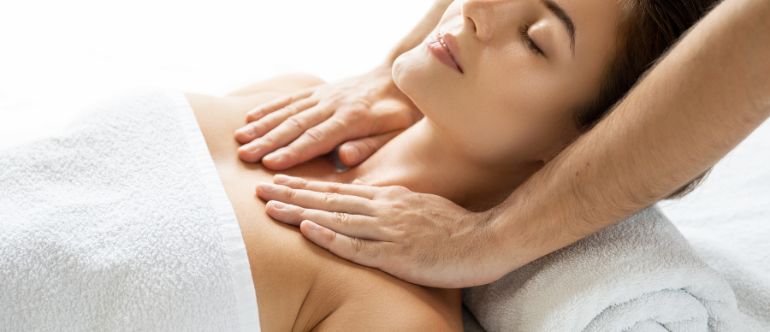
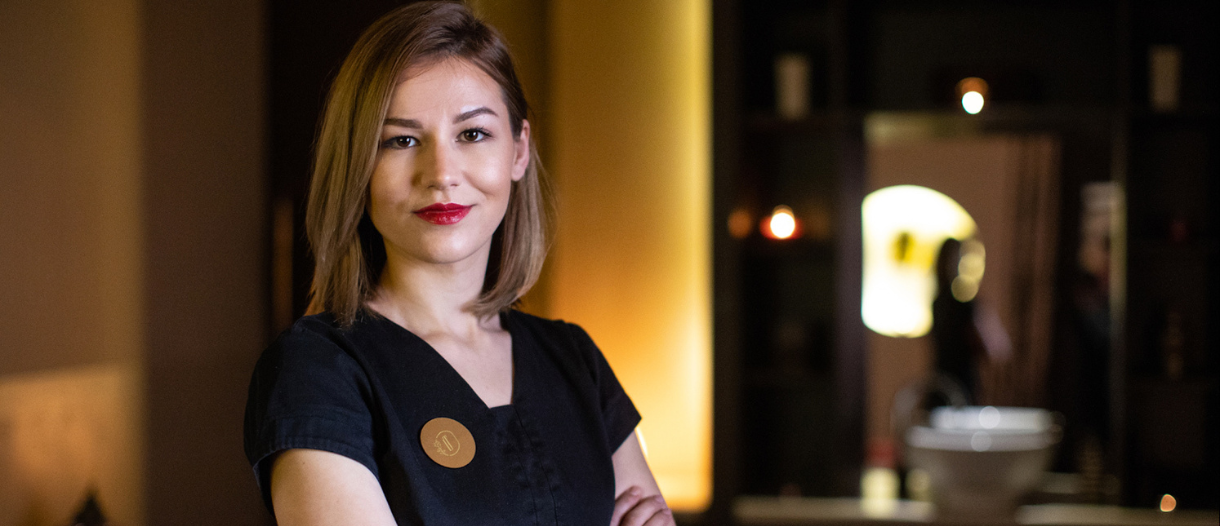
The spa—that ancient sanctuary of basalt stones and gentle hands—is on the cusp of a total technological overhaul. By 2030, the elite luxury spa will cease to be a service industry reliant on human labor and become a precision wellness ecosystem powered by advanced Artificial Intelligence, robotics, and real-time biometric analysis. This shift is not about replacing the human touch, but elevating personalization to a level human practitioners simply cannot achieve, creating a Fully Automated Luxury Spa (FALS) that defines the pinnacle of self-care.
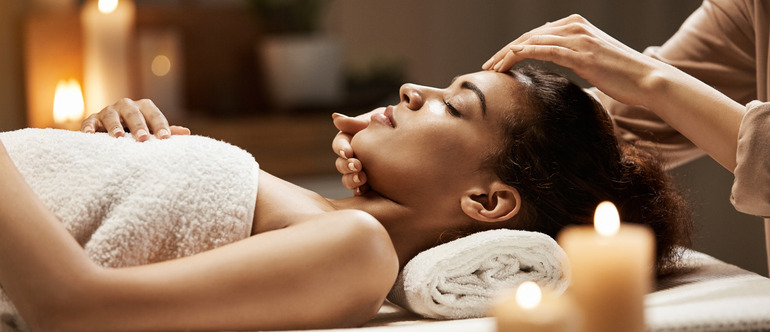
The concept of a spa—a sanctuary for relaxation, rejuvenation, and self-care—is ancient. But as we accelerate toward the decade's end, the tranquil environment we know is set to undergo a radical, luxurious transformation driven entirely by Artificial Intelligence.
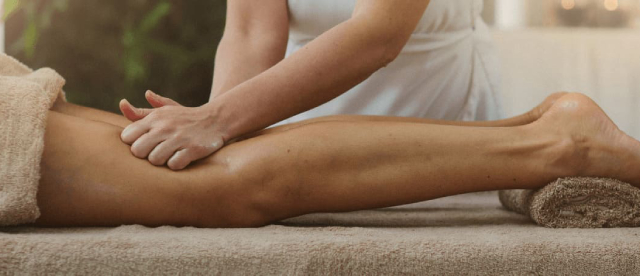
The introduction of AI into luxury spas—systems that remember your deepest secrets, your physical preferences, and even your emotional state during a call—is exciting, but it naturally raises profound questions. In a sector built entirely on trust, serenity, and personal care, the move toward automation can feel contradictory.

Social media is the digital storefront of the modern spa. It’s where clients discover the ambiance, see the results, and feel the aspirational calm of your brand. But for many spa owners, the journey from a passive "like" on Instagram to a concrete, paid booking in the treatment room is a frustrating and manual bottleneck.
Who has the time to answer DMs 24/7, analyze ad performance, and constantly generate fresh content?
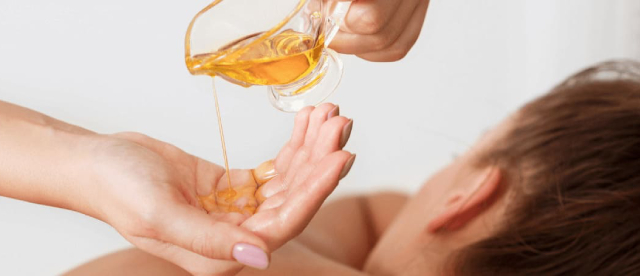
For decades, the "dream" of owning a spa has been harshly interrupted by the reality of running one. The vision of tranquility and wellness is often buried under a mountain of spreadsheets, payroll calculations, inventory counts, and scheduling conflicts. The average spa owner spends less than 20% of their time on guest experience and over 80% on administrative "noise."