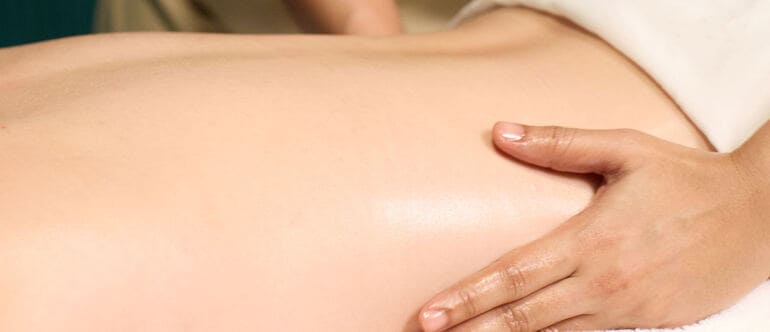
In the world of premium wellness, massage therapy is often perceived as a standalone experience—a moment of relaxation booked between meetings or after a long week.
However, within a high-performance spa ecosystem such as SAPAWELL Franchise, massage is understood as part of a broader physiological and lifestyle strategy.
One of the most underestimated yet critical components of this strategy is hydration.
Hydration is not a wellness trend or a generic health recommendation. It is a biological necessity that directly influences muscle function, circulation, recovery, and the long-term effectiveness of massage therapies. For spa operators, wellness professionals, and discerning clients alike, understanding the role of hydration is essential to maximizing both therapeutic outcomes and client satisfaction.
Water: The Foundation of Human Performance and Recovery
Water is not simply something the body uses—it is something the body is. On average, the adult human body is composed of approximately 60% water, making hydration a foundational factor in every physiological process involved in massage therapy.
Water and Core Bodily Functions
Hydration supports several key systems directly impacted by massage:
-
Circulation: Blood plasma is primarily water. Proper hydration ensures efficient transport of oxygen, nutrients, and hormones to muscles and tissues.
-
Muscle Function: Hydrated muscle fibers are more elastic, responsive, and resilient under pressure.
-
Temperature Regulation: Massage increases circulation and metabolic activity, both of which rely on water for thermal balance.
-
Waste Elimination: Water supports kidney and lymphatic function, assisting the body’s natural recovery mechanisms.
In premium spa environments, where results matter as much as experience, hydration becomes a silent performance enhancer.
Why Hydration Directly Impacts Massage Effectiveness
Massage is not merely a surface-level relaxation technique. It is a mechanical and neurological intervention that interacts deeply with muscles, connective tissue, fascia, and the nervous system.
Hydration influences this interaction at every stage.
Hydrated Muscles Respond Better to Touch
Well-hydrated muscles are softer, more pliable, and more receptive to manual manipulation. This allows therapists to work more effectively without excessive force, enhancing comfort while improving outcomes.
For deep tissue, sports, or therapeutic massage modalities, hydration can mean the difference between:
-
Productive muscle release
-
Or unnecessary discomfort and post-session soreness
This is particularly relevant in wellness programs focused on Recovery and physical longevity.
Pre-Massage Hydration: Preparing the Body for Optimal Results
Hydration before a massage is about preparation, not excess. Clients who arrive dehydrated often experience increased sensitivity, stiffness, and slower response to therapeutic techniques.
Benefits of Proper Pre-Massage Hydration
-
Improved circulation, allowing tissues to warm and respond more efficiently
-
Reduced resistance in muscles and fascia
-
Enhanced comfort during deep or targeted work
From a professional spa perspective, educating clients on hydration before treatment improves consistency of results and reduces variability in session outcomes.
Practical Guidelines
-
Begin increasing water intake several hours before the massage
-
Avoid alcohol and excessive caffeine, which promote dehydration
-
Focus on steady hydration rather than large volumes immediately before treatment
This approach aligns with the preventive wellness philosophy increasingly adopted in high-end spa concepts.

Post-Massage Hydration: Supporting Recovery and Integration
Massage stimulates circulation, compresses tissues, and mobilizes fluids throughout the body. After the session, hydration plays a key role in helping the body adapt and recover from this stimulation.
What Happens After a Massage
-
Blood flow increases in treated areas
-
Metabolic by-products are redistributed
-
Muscles enter a repair and recalibration phase
Hydration supports this process by maintaining optimal fluid balance, reducing the likelihood of headaches, fatigue, or excessive soreness.
For wellness brands emphasizing long-term results and lifestyle integration—rather than one-off treatments—this post-massage phase is critical.
Muscle Soreness, Hydration, and Realistic Expectations
A common misconception is that drinking water will completely eliminate post-massage soreness. While hydration is beneficial, it is not a miracle cure.
Understanding Post-Massage Sensations
Muscle tenderness after a massage is often comparable to post-exercise soreness. It results from:
-
Manipulation of tight or restricted tissue
-
Increased blood flow to previously underused muscle fibers
Hydration supports recovery by improving nutrient delivery and tissue repair, but it does not instantly reverse physiological adaptation.
Educating clients with clarity builds trust—an essential component of premium wellness branding.
Debunking the “Toxin Release” Myth
One of the most persistent myths in massage culture is the idea that massage “releases toxins” that must be flushed out by drinking large quantities of water.
The Scientific Reality
-
The liver and kidneys are responsible for detoxification
-
Massage improves circulation and lymphatic movement, but does not generate toxins
-
Hydration supports normal organ function—it does not neutralize imaginary waste
SAPAWELL Franchise positions wellness education as part of the guest experience, replacing myths with credible, science-aligned guidance.
Hydration as Part of a Premium Wellness Lifestyle
In modern wellness culture, hydration is no longer viewed as a reactive behavior—it is part of a preventive and performance-oriented lifestyle.
High-end spa clients increasingly seek:
-
Sustainable energy levels
-
Improved sleep quality
-
Faster physical recovery
-
Better stress resilience
Massage, hydration, and daily habits operate together within a coherent wellness framework—similar to holistic Nutrition and movement practices.
Strategic Value for Spa Operators and Franchise Models
From a business and investment standpoint, hydration education delivers tangible advantages:
Enhanced Client Outcomes
Better results lead to higher satisfaction, repeat bookings, and stronger word-of-mouth.
Elevated Brand Authority
Positioning the spa as an educator—not just a service provider—strengthens trust and premium perception.
Low-Cost, High-Impact Integration
Hydration guidance requires no equipment, no inventory, and minimal staff training, yet significantly improves perceived service quality.
This is particularly valuable in scalable spa concepts where consistency across locations is essential.
Simple Hydration Guidelines for Spa Clients
To support massage effectiveness without overwhelming clients, SAPAWELL Franchise emphasizes clarity and moderation:
Before Massage
-
Hydrate steadily throughout the day
-
Avoid dehydrating substances
-
Arrive comfortable—not overly full
After Massage
-
Drink water gradually over the next few hours
-
Listen to the body’s thirst signals
-
Maintain hydration as part of the broader wellness routine
These practices complement other wellness strategies such as Relaxation and stress management.

Hydration and the Future of Wellness Experiences
As the wellness industry matures, the focus continues to shift from indulgence toward intelligent care. Clients are no longer impressed by luxury alone—they seek understanding, personalization, and measurable benefit.
Hydration education fits naturally into this evolution:
-
It empowers clients
-
Enhances treatment outcomes
-
Strengthens long-term wellness engagement
For SAPAWELL Franchise, hydration is not an afterthought—it is a subtle yet powerful lever in delivering excellence.
Conclusion: Small Habit, Significant Impact
Hydration may seem simple, but its influence on massage effectiveness is profound. From muscle responsiveness to recovery quality, water plays a central role in how the body experiences and integrates therapeutic touch.
By embedding hydration awareness into its wellness philosophy, SAPAWELL Franchise reinforces its commitment to intelligent, results-driven, and sustainable well-being.
In premium wellness, true value is found not in excess—but in understanding.