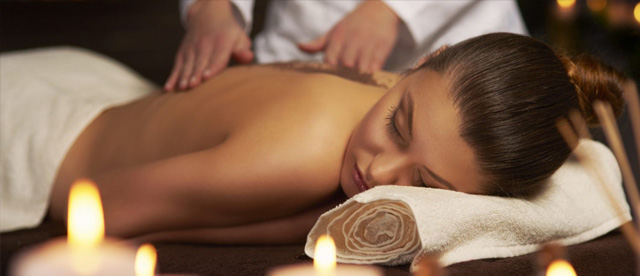
The serene ambiance of a spa, once defined by hushed tones and the gentle rustle of a receptionist's uniform, is undergoing a profound transformation. In an era where technological advancements are reshaping every industry, the spa sector is embracing a new, intelligent workforce: the AI receptionist. Far from being a futuristic concept, AI agents are swiftly moving from the realm of science fiction to become indispensable members of the spa team, handling calls, bookings, FAQs, cancellations, and follow-ups with unparalleled efficiency, 24/7 availability, and a significant reduction in operational costs.
This shift isn't just about adopting new technology; it's about fundamentally rethinking how spas operate to deliver superior service and achieve unprecedented levels of profitability.
The Evolution of the Spa Front Desk: A Historical Perspective
For decades, the front desk has been the beating heart of any spa. It's the first point of contact for clients, the hub for scheduling, the go-to for information, and often the last interaction before departure. A skilled human receptionist is a multi-tasking maestro, juggling phone calls, in-person greetings, appointment adjustments, product sales, and administrative duties, all while maintaining a calm and welcoming demeanor.
However, this traditional model, while offering a personal touch, comes with inherent limitations. Human receptionists work set hours, are susceptible to human error, require training and benefits, and their capacity to handle multiple concurrent tasks is finite. Peak hours can lead to missed calls and frustrated clients, while off-hours mean lost opportunities. The cost associated with a round-the-clock human front desk can be prohibitive, especially for smaller or independently owned spas.
Enter the AI receptionist – a game-changer designed to mitigate these challenges and elevate the entire spa experience.
Unpacking the Power of AI Receptionists: Beyond the Hype
The term "AI receptionist" might conjure images of robots, but in the context of spa operations, it primarily refers to sophisticated software solutions powered by artificial intelligence, natural language processing (NLP), and machine learning. These systems can interact with clients through various channels, including phone, SMS, web chat, and even voice assistants.
Let's delve into the specific functions that AI receptionists are now mastering, often surpassing their human counterparts in speed, accuracy, and availability:
1. The Call Answering Revolution: Never Miss a Beat
The phone rings. In a traditional spa, a human answers, often interrupting another task. If they're busy, the call goes to voicemail, a potential client lost in the ether. An AI receptionist changes this dynamic entirely.
-
24/7 Availability: AI agents don't sleep, take breaks, or go on vacation. They are always on, ready to answer calls at 3 AM just as efficiently as at 3 PM. This is crucial for spas targeting clients with diverse schedules or operating in different time zones.
-
Instantaneous Response: No more waiting on hold. AI can answer multiple calls simultaneously, processing inquiries with lightning speed. This eliminates client frustration and ensures that every call is addressed promptly.
-
Intelligent Routing: Beyond simply answering, advanced AI can understand the intent of the caller. Is it a booking inquiry? A question about services? A cancellation? The AI can then direct the call to the appropriate information, integrate with booking systems, or even connect to a human if the query is complex or requires a personal touch.
-
Personalized Greetings: Modern AI can be programmed to use the client's name (if identifiable through Caller ID and CRM integration), offering a personalized and welcoming experience from the outset.
Cost-Saving Impact: Imagine the cost of staffing a human receptionist 24/7. It's astronomical. AI eliminates overtime, benefits, and the need for multiple shifts, drastically reducing labor costs associated with phone handling.
Better Service Impact: Clients appreciate instant gratification. The ability to get immediate answers and make bookings at their convenience, day or night, significantly enhances the overall client experience and satisfaction.
2. Streamlined Bookings and Scheduling: The Ultimate Efficiency Engine
Booking appointments is the lifeblood of any spa. It's also a process traditionally fraught with manual effort, potential for errors, and time consumption. AI receptionists are transforming this critical function.
-
Seamless Integration with Booking Systems: The core strength of an AI receptionist lies in its ability to integrate directly with existing spa management software and booking platforms (e.g., Mindbody, Vagaro, Booker). This means the AI can view real-time availability, book appointments, and send confirmations without any human intervention.
-
Voice and Text Booking: Clients can book appointments by simply speaking to the AI on the phone or texting their desired service and time. The AI can guide them through available slots, suggest alternatives, and confirm the booking in seconds.
-
Upselling and Cross-selling: During the booking process, AI can be programmed to intelligently suggest add-on services, package deals, or product recommendations based on the client's chosen service or past preferences, subtly increasing average transaction value.
-
Automated Reminders: AI can send automated appointment reminders via SMS or email, significantly reducing no-shows and last-minute cancellations. These reminders can also include directions, preparation instructions, or even promotional offers.
Cost-Saving Impact: Reduced administrative burden for staff means they can focus on delivering services rather than managing the booking calendar. Fewer no-shows directly translate to less lost revenue. The investment in an AI system can quickly pay for itself through increased bookings and operational efficiency.
Better Service Impact: The convenience of instant, self-service booking, available at any time, empowers clients. They no longer need to wait for business hours or navigate complex online portals. The entire booking journey becomes smoother, faster, and more client-centric.
3. FAQ Answering: The Knowledge Base at Your Fingertips
Clients often have common questions about services, pricing, spa policies, directions, or available therapists. A human receptionist spends a significant portion of their day answering these repetitive inquiries.
-
Instant, Consistent Answers: AI agents can access a vast knowledge base of frequently asked questions and provide instant, accurate, and consistent answers. This eliminates discrepancies in information and ensures every client receives the same high-quality response.
-
Reduced Burden on Staff: By offloading routine FAQ answering to AI, human staff are freed up to focus on more complex client interactions, personalizing experiences, and delivering high-touch service where it matters most.
-
Multilingual Support: For spas in diverse areas or catering to international clientele, AI can be programmed to answer questions in multiple languages, broadening the spa's accessibility and appeal.
-
Dynamic Learning: Advanced AI systems can learn from client interactions, continually refining their understanding of common questions and improving their ability to provide helpful responses over time.
Cost-Saving Impact: Less time spent by human staff on repetitive questions means higher productivity and a potential reduction in staffing needs for purely informational roles. Training costs for new receptionists are also minimized as the AI serves as a constant, reliable information source.
Better Service Impact: Clients receive immediate, accurate information without feeling rushed or like they're interrupting staff. This creates a sense of empowerment and efficiency for the client, enhancing their perception of the spa's professionalism.
4. Effortless Cancellations and Rescheduling: Minimizing Disruption
Cancellations and rescheduling are inevitable in any service industry. While necessary, they can be time-consuming to manage and, if not handled efficiently, can lead to frustration for both clients and staff.
-
Self-Service Options: AI receptionists allow clients to cancel or reschedule appointments easily via phone or text message, often by simply replying to an automated reminder. The AI then updates the booking system in real-time.
-
Automated Rebooking Suggestions: When a client cancels, the AI can immediately offer alternative dates and times, or even suggest placing them on a waitlist if their preferred slot is unavailable.
-
Immediate Availability Updates: As soon as an appointment is canceled, the AI updates the spa's availability, making that slot instantly available for another booking. This minimizes downtime and maximizes revenue potential.
-
Polite and Professional Handling: AI can be programmed to handle cancellations with a consistently polite and professional tone, ensuring clients feel valued even when changing their plans.
Cost-Saving Impact: Automated cancellation and rescheduling significantly reduce the administrative workload for human staff. The ability to quickly rebook canceled slots minimizes revenue loss from empty appointments.
Better Service Impact: Clients appreciate the ease and flexibility of managing their appointments independently. This reduces stress and the potential for awkward phone calls, contributing to a more positive overall client experience.
5. Proactive Follow-ups and Engagement: Building Lasting Relationships
The client journey doesn't end when they walk out the door. Post-service follow-ups are crucial for building loyalty, gathering feedback, and driving repeat business. AI receptionists can automate and personalize this engagement.
-
Post-Service Check-ins: AI can send automated messages after a service to check on client satisfaction, ask for feedback, or remind them about aftercare instructions.
-
Review Requests: Smart AI can prompt clients to leave reviews on platforms like Google, Yelp, or the spa's website, boosting online reputation and attracting new clients.
-
Rebooking Reminders: Based on service history, AI can intelligently remind clients when it might be time for their next appointment, prompting them to rebook proactively.
-
Targeted Promotions: AI can segment clients based on their service history and preferences, sending personalized promotions or special offers that are highly relevant to their interests, increasing conversion rates.
-
Birthday and Anniversary Greetings: Automated personalized messages for special occasions can significantly enhance client loyalty and make them feel appreciated.
Cost-Saving Impact: Automating follow-ups reduces the need for manual outreach by staff, saving time and labor costs. Increased client retention and repeat bookings directly contribute to higher revenue without significant marketing spend.
Better Service Impact: Clients feel valued and remembered. Personalized communication and timely reminders create a sense of connection and care, fostering loyalty and encouraging repeat visits.
The Tangible Benefits: Cost Savings and Superior Service in Harmony
The adoption of AI receptionists in spas isn't merely a technological upgrade; it's a strategic move that delivers clear, quantifiable benefits:
Quantifiable Cost Savings:
-
Reduced Labor Costs: This is perhaps the most significant saving. AI eliminates the need for 24/7 human staffing, overtime pay, benefits, and constant recruitment and training. A single AI system can handle the workload of multiple human receptionists.
-
Decreased Operational Overheads: Less paper, less phone line congestion, and streamlined processes contribute to lower overall operational costs.
-
Minimized Revenue Loss from No-Shows: Automated reminders and easy rescheduling significantly reduce the incidence of missed appointments, recouping revenue that would otherwise be lost.
-
Increased Productivity of Human Staff: By offloading repetitive administrative tasks, human therapists and other staff can focus on delivering high-value services, leading to higher revenue per employee.
-
Optimized Resource Allocation: AI provides valuable data and insights into client preferences and peak times, allowing spas to better allocate their human resources and optimize scheduling.
Enhanced Customer Service:
-
24/7 Accessibility: Clients can interact with the spa and make bookings whenever it's convenient for them, leading to higher satisfaction and potentially capturing business outside of traditional operating hours.
-
Instant Responses: No more waiting on hold or for call-backs. Clients receive immediate answers to their questions and swift confirmation of bookings.
-
Consistent Information: Every client receives accurate and consistent information, eliminating human error or variations in how different staff members might answer a query.
-
Personalized Interactions (at scale): While AI provides automation, it can also offer a personalized experience through customized greetings, tailored recommendations, and intelligent follow-ups.
-
Reduced Friction: The entire client journey, from initial inquiry to post-service follow-up, becomes smoother, faster, and more convenient, leading to a stress-free and enjoyable experience.
-
Improved Client Loyalty: The combination of convenience, efficiency, and personalized engagement fosters a stronger connection between the client and the spa, encouraging repeat visits and positive word-of-mouth.
Beyond the Hype: Addressing Common Concerns
While the benefits are clear, some spas may have reservations about implementing AI.
-
Loss of Human Touch: It's crucial to position AI as an enhancement to human interaction, not a replacement for all of it. AI handles the routine, freeing up human staff to provide truly personalized, empathetic, and high-touch experiences that only humans can deliver.
-
Complexity of Implementation: Modern AI receptionist solutions are increasingly user-friendly and designed for seamless integration with existing spa software. Many providers offer comprehensive support and training.
-
Cost of Investment: While there's an initial investment, the long-term cost savings and revenue generation often provide a rapid return on investment.
The Future is Automated, the Experience is Enhanced
The spa industry is at the cusp of a significant shift, driven by the capabilities of AI. The transition from a traditional front desk to an AI-powered one is not about dehumanizing the spa experience but rather about optimizing operations to deliver an unparalleled level of service and efficiency.
Imagine a spa where every call is answered instantly, every booking is made effortlessly, and every client feels remembered and valued, all while operational costs are significantly reduced. This is not a distant dream; it is the present reality for spas embracing the power of AI receptionists.
For spa owners looking to thrive in a competitive market, the question is no longer if they should adopt AI, but when and how. By leveraging AI to handle the routine, spas can refocus their human talent on the art of wellness, personal connection, and creating truly memorable, restorative experiences that keep clients coming back for more. The AI desk isn't just a trend; it's the intelligent, cost-effective, and client-centric future of spa operations.